


Understanding the Shift from Plastic to Digital
Prepaid eSIM Plans Explained Everything You Need to Know
A prepaid eSIM is a digital SIM card that is purchased with a set amount of data, talk time, or credit before use, eliminating the need for a physical card. It activates instantly by scanning a QR code or installing a profile, allowing users to connect to a local network without swapping SIMs. The key benefit is hassle-free connectivity while traveling, as it enables users to avoid roaming fees and manage plans entirely through a phone settings menu.
Understanding the Shift from Plastic to Digital
Understanding the shift from plastic to digital means realizing your prepaid SIM is no longer a physical card you have to wait for. With a prepaid eSIM, the entire process happens online, from purchase to activation. You skip the hassle of finding a store or swapping tiny chips when you travel; instead, you scan a QR code or download a profile. This transition changes how you manage data—you can buy, top up, or switch plans instantly from your phone’s settings. There’s nothing to lose or damage, which is perfect for keeping your main number active while testing a local eSIM. It’s a practical move from a tangible object to a simple, downloadable digital profile.
What Sets a Preloaded Profile Apart from Traditional SIM Cards
A preloaded eSIM profile bypasses the physical swap required by a traditional SIM card. Where a plastic SIM necessitates manual insertion, a preloaded profile is installed via a QR code or app activation, embedding data packages directly into the device’s chip. This eliminates the wait for a physical card and the risk of losing or damaging it. The profile resides in a tamper-resistant eUICC, allowing remote management of network credentials without hardware contact. Instant provisioning is the core differentiator: connectivity activates in minutes, not days.
Q: What Sets a Preloaded Profile Apart from Traditional SIM Cards for prepaid use? A: A traditional SIM must be physically inserted and removed to change networks; a preloaded eSIM profile can be switched, topped up, or replaced via an app without accessing the phone’s interior, preserving the device’s seal and allowing multiple carrier profiles to reside simultaneously.

How Embedded Chips Are Changing Global Connectivity
Embedded chips, specifically eSIMs, fundamentally alter global connectivity by replacing physical plastic SIMs with a permanent, rewritable module soldered into a device. This eliminates the need to swap cards when traveling, as a prepaid eSIM profile can be activated remotely before departure. Users switch between local carriers on the fly, avoiding roaming fees and maintaining a stable connection. The embedded chip enables direct, over-the-air provisioning, meaning connectivity is no longer tethered to a physical storefront. This hardware shift streamlines the seamless activation process for international data plans, making global roaming a simple, on-demand software toggle rather than a logistical task.
- Enables instant network switching without removing or handling a physical card.
- Permits multiple carrier profiles stored on one embedded chip for different regions.
- Allows remote data plan purchases before arrival in a foreign country.
- Removes the risk of losing or damaging a tiny physical SIM during travel.
Key Benefits: Flexibility and Instant Activation
Prepaid eSIMs unlock on-demand connectivity by eliminating physical SIM delays. You activate a Singapore eSIM plan instantly via a QR code or app scan—no store visit or SIM card swap required. Flexibility shines when switching between data packages or carriers abroad; manage everything from your device settings without fumbling with tiny chips. The process follows a clear sequence:
- Purchase a digital plan online
- Receive the eSIM activation QR code
- Scan it within the phone’s cellular settings
- Connect to the network immediately
This lets you add voice, data, or texts on the fly, tailoring coverage to each trip or billing cycle without hardware constraints.
Choosing the Right Pay-As-You-Go Data Plan
Choosing the right pay-as-you-go data plan for your prepaid eSIM hinges on matching your usage to the plan’s validity and top-up structure. Always prioritize plans that offer the longest data rollover period, ensuring unused gigabytes don’t vanish after a month. For frequent travelers, select a regional eSIM with a flat per-GB cost across multiple countries to avoid expensive per-country recharges. However, a plan with lower per-GB pricing but a short 7-day validity can be far more expensive than a pricier but longer-lasting 30-day option if you are a light, sporadic user. Ultimately, confirm the eSIM’s app allows real-time usage tracking and instant top-ups, as this gives you full control without hidden subscription traps.
Evaluating Coverage Zones and Network Speeds
When picking a prepaid eSIM, zero in on real-time coverage zone mapping rather than vague claims. Check the provider’s interactive map—does it show 4G/5G density in your specific destinations, like subway stations or rural corridors? Speed tests from user forums reveal actual throughput, not just advertised peaks. For travel, prioritize plans with multiple local network partners; a single carrier can cap speeds during congestion.
Q: Can I test a prepaid eSIM’s speeds before buying?
A: Most offer a money-back window—download a speed-test app on arrival to verify if zones match your needs, then switch plans if latency spikes.
Comparing Short-Term Travel Bundles vs. Long-Term Options
When choosing a prepaid eSIM, your trip’s duration dictates the better value. Short-term bundles (1–15 days) offer convenience and fixed costs, ideal for a weekend or business sprint; you activate, use, and forget. However, long-term data bundles unlock lower per-day rates and eliminate the hassle of repeatedly re-upping for stays over three weeks. A two-month traveler, for example, often pays 40% less with a rolling 30-day plan than stacking weekly packs. The trade-off? Long-term options usually tie you to a single region, while short-term bundles often include multi-country access for a premium. Your choice hinges solely on itinerary length versus geographic flexibility.
For a quick trip, short-term bundles win on simplicity; for extended travel, long-term options win on cost and stability.
Hidden Charges to Watch For in Top-Up Systems
When choosing a prepaid eSIM, hidden charges in top-up systems can quietly drain your balance. Watch for unexpected top-up fees added at checkout, which inflate the advertised price. Some providers apply strict expiration rules, causing your remaining credit to vanish if you don’t use it within a short window. Others impose surcharges for smaller denominations, penalizing low-balance reloads. Always verify that the top-up value you select precisely matches the plan cost, as rounding errors or activation fees can leave you short. Review the provider’s terms for auto-top-up settings, which may trigger unwarranted charges without clear notification. Choosing transparent reload terms prevents these costly surprises.
How to Activate a Digital Profile Without a Contract
You’ve just landed in a new city, no SIM card, no contract, just your phone. To activate your prepaid eSIM, you skip the physical store entirely. Open the provider’s app or website, select a prepaid data plan, and pay with a credit card or digital wallet. Instantly, a QR code or activation link appears. You scan it via your phone’s settings under “Add Mobile Data Plan.” Your digital profile activates within minutes, assigning you a temporary number or data-only access without any identity verification or service agreement.
This means you get online immediately, using only your smartphone, no strings attached, perfect for short trips or privacy-conscious travelers.
Your eSIM remains dormant until you need it, and you top up only when you want.
Step-by-Step: Scanning a QR Code to Go Live
To go live with a prepaid eSIM, locate the QR code activation provided by your carrier. Open your device’s settings and navigate to the cellular or mobile network section. Select “Add eSIM” or “Add Data Plan,” then scan the QR code when prompted. Ensure you have a stable Wi-Fi connection during this step to avoid interruptions. After scanning, confirm the installation and assign the eSIM to your primary or secondary line. The profile activates instantly upon scanning. A clear sequence includes:
- Access device settings > Cellular/Mobile Data.
- Tap “Add eSIM” or “Add Cellular Plan.”
- Scan the provided QR code with your camera.
Device Compatibility: Which Handsets Support This Technology
Activating a prepaid eSIM without a contract hinges on your device supporting carrier-unlocked eSIM technology. You must first verify that your handset is not locked to any provider. For a smooth activation, follow this checklist:
- Check your phone’s IMEI on the prepaid provider’s website for eSIM eligibility.
- Ensure your smartphone model is from the last four years—most new flagships like recent iPhones, Google Pixels, and Samsung Galaxy S series natively support eSIM.
- Confirm that your device runs the latest OS version, as older software can block digital profile installation.
Common Pitfalls During Setup and Quick Fixes
A frequent pitfall is entering the wrong activation code, often due to mistaking letters for numbers on the card. The quick fix is to cross-check the code against a digital receipt before copy-pasting. Another common issue is an unresponsive profile, which typically arises from insufficient data allowance on a prepaid eSIM or a mismatched APN. The logical sequence for resolution is:
- Confirm the eSIM plan is active by checking balance via the provider’s app.
- Manually set the correct APN from the provider’s setup guide.
- Toggle airplane mode for 10 seconds to force a network refresh.
Top Use Cases for Temporary or Rechargeable Cards
For international travelers, a temporary prepaid eSIM eliminates physical SIM hunting, allowing immediate data access upon landing with a short-term plan that auto-expires. Rechargeable prepaid eSIMs serve remote workers needing flexible monthly top-ups to avoid carrier lock-in, though monitoring data consumption becomes critical to prevent unexpected cutoffs. Another core use is for privacy-focused individuals; a disposable virtual number via a prepaid eSIM provides a separate identity for short-term app verification or one-off transactions. Digital nomads often rely on rechargeable eSIMs for multi-country coverage, simply topping up a regional data pool instead of juggling local SIMs. Finally, parents issue temporary prepaid eSIMs to children’s devices for strict data budgets, recharging only when necessary to control spending and usage.
Navigating Roaming Fees During International Trips
Navigating roaming fees during international trips is much easier with a prepaid eSIM. Instead of returning home to a shocking bill, you simply install a local or regional data plan before you depart, instantly bypassing your home carrier’s exorbitant daily charges. The key trick is to activate the eSIM the moment you land, then disable data roaming on your primary line. For a smooth experience, follow this quick sequence: avoid carrier roaming charges by relying entirely on the eSIM for all connectivity.
- Buy and install a prepaid eSIM specifically for your destination or region before you travel.
- On arrival, switch off cellular data on your primary SIM and enable data roaming only on the eSIM profile.
- Use the eSIM’s data for maps, messaging, and calls via apps—no surprise fees will appear.
Staying Connected Without a Monthly Bill
For users seeking staying connected without a monthly bill, a prepaid eSIM eliminates carrier commitments entirely. You purchase data credit once and use it only when needed, ideal for a backup phone or a secondary device for children. To maintain active service without recurring charges, follow this sequence:
- Buy a prepaid eSIM data pack with a long validity (e.g., 365 days).
- Manually disable mobile data in your phone settings when not in use to prevent background drains.
- Reactivate data only when you require connectivity, such as for messaging apps or navigation.
Each top-up resets the clock, ensuring you pay strictly for the periods you actually connect.
Ideal Scenarios for Digital Nomads and Frequent Flyers
For digital nomads and frequent flyers, a prepaid eSIM eliminates the need to source local SIMs during short stays or transit hops, ensuring connectivity upon landing without juggling multiple physical cards. Ideal scenarios include multi-city itineraries where a traveler buys a regional eSIM covering entire continents, avoiding per-country hassles. Frequent flyers benefit from reloadable prepaid eSIMs that top up data allowance mid-trip for unexpected extra layovers. This provides instant connectivity across borders without expensive roaming contracts, making it perfect for remote work sessions in airport lounges or mobile booking adjustments.
Ideal scenarios center on seamless, short-term data access that aligns with unpredictable travel schedules and multi-country routes.
Managing Multiple Profiles on One Smartphone
Managing multiple prepaid eSIM profiles on one smartphone is straightforward with modern dual-SIM support. You can store several prepaid eSIM profiles directly in your device’s eSIM manager, switching between them for different uses—like one for local data and another for a travel eSIM. This eliminates physical SIM swaps and lets you keep a business line active alongside a personal one.
Label each profile clearly to avoid accidental data usage on the wrong line, and disable auto-switching to control costs.
Just activate the profile you need for calls or data, and deactivate it when done, ensuring you only pay for what you use.
Switching Between Work and Personal Lines Seamlessly
Switching between work and personal lines seamlessly with a prepaid eSIM relies on profile management within the phone’s settings. You can assign distinct labels, ringtones, and notification preferences to each eSIM profile, enabling instant recognition of incoming calls or messages. The key benefit is instant line toggling without physically swapping SIMs; a simple tap in the settings menu activates your work eSIM during office hours and your personal line for evenings. This dual-profile setup ensures you never miss urgent communications from either sphere, while maintaining clear boundaries. A prepaid eSIM eliminates the need for a second device, streamlining your workflow.

Switching between work and personal lines seamlessly is achieved by profile switching via native phone settings, keeping both numbers active and distinct on a single prepaid eSIM.
Storage Limits for Stored eUICC Configurations
When managing multiple prepaid eSIMs, the eUICC storage capacity on your smartphone is a practical constraint. Most devices allow storing between five and twenty eSIM profiles simultaneously on the chip. However, you can typically only activate one profile at a time for data. Exceeding the device’s storage limit requires you to delete an existing profile before downloading a new one, which may mean losing access to a prepaid plan’s remaining balance unless you can re-download its QR code or activation data later.
Keeping Your Main Number While Using a Secondary Data Plan
Using a prepaid eSIM for a secondary data plan allows you to keep your main number active on your primary line. Configure your device so the primary physical SIM or eSIM handles all calls and SMS, while the secondary eSIM is set as the default for mobile data. This setup ensures you never miss texts or calls to your main number, even when streaming or navigating on the secondary data plan. For uninterrupted connectivity, verify that dual SIM functionality is enabled, and consider disabling data switching to prevent the primary line from accidentally using expensive roaming. This approach offers cost-effective data without changing your permanent, primary number.
Security and Privacy Considerations
When using a prepaid eSIM, the primary security consideration is your data’s exposure to the provider’s infrastructure; unlike physical SIMs, the remote provisioning process can be intercepted if the carrier’s activation portal lacks strong HTTPS and certificate pinning. Privacy hinges on the fact that prepaid eSIMs usually require less personal identification data than postpaid plans, reducing linkage to your identity, though your device still broadcasts a unique IMEI that can correlate usage. Q: Does a prepaid eSIM protect my location from the carrier? A: No, the carrier can still see which network towers your eSIM connects to, revealing approximate location history. To mitigate risks, always purchase from resellers with a clear privacy policy, delete the eSIM profile from your device when done, and avoid using the same eSIM for high-sensitivity activities if you did not verify the provider’s encryption standards.
Why These Digital Identities Are Harder to Clone
Prepaid eSIM digital identities employ a cryptographic key pair uniquely generated and stored within the device’s secure element during profile installation. Unlike physical SIMs, which a cloned card can replicate by extracting the secret key, this embedded key never leaves the tamper-resistant hardware. The provisioning process uses an authenticated, end-to-end encrypted channel with the carrier, preventing interception of the unique cryptographic credentials. Additionally, the profile is bound to a specific device identifier (eUICC ID), making it invalid if extracted and injected elsewhere. These combined hardware-enforced and protocol-level protections create a clone-resistant environment that traditional SIM cards cannot match.
Prepaid eSIM identities are harder to clone due to device-bound cryptographic keys stored in secure hardware, preventing the key extraction possible with physical SIMs.
Protecting Your Data on Public Networks
When you use a prepaid eSIM, your connection often hops onto public Wi-Fi or shared cellular towers. This makes encrypting your traffic with a VPN a must, as it scrambles data so snoops can’t read it. Follow this quick routine:
- Turn off auto-connect for open networks in your settings.
- Always activate the VPN before browsing or using apps.
- For sensitive actions like banking, switch to mobile data via your eSIM instead.
This keeps your session secure.
What Happens When You Lose Access to Your Primary Device
Losing your primary device with a prepaid eSIM halts network access instantly, as the embedded profile cannot be physically removed like a SIM card. Without the device, you cannot authenticate into carrier portals that require SMS verification to the lost number. Recovery hinges on whether you saved the eSIM’s QR code or activation details separately. If not, you must contact the carrier with account credentials—often leading to identity verification delays. Some providers allow profile transfer to a new device via a secure portal, but this requires access to your registered email, not the lost phone. Prepaid eSIM recovery is therefore contingent on offline backup of activation data.

Losing your primary device locks you out of your prepaid eSIM until you prove account ownership, typically via email-based verification or re-downloading a saved QR code.
Cost Comparison: Preloaded Profiles vs. Standard Plans
Preloaded eSIM profiles usually cost a bit more upfront than buying a standard plan directly from a carrier, because you’re paying a middleman for instant setup convenience. However, standard plans often have hidden activation fees or require a minimum top-up that adds up. Which one saves more if you travel twice a year? For two trips, preloaded profiles win because you avoid unused credit; standard plans only beat preloaded if you travel every month and use the full allowance each time.
Average Price Per Gigabyte Across Different Providers
When comparing prepaid eSIM data costs, the average price per gigabyte varies sharply by provider. Regional specialists like Airalo and Holafly often charge $2–$5 per GB for continent-wide plans, while local providers in high-competition markets (e.g., Europe or Southeast Asia) offer rates as low as $0.50–$1.50 per GB. Global roaming plans from eSIM aggregators like Ubigi or GigSky typically fall in the $3–$8 per GB range due to their broader network access. The most cost-effective strategy is to match the provider’s coverage footprint to your travel region—local or regional plans nearly always beat global ones for pure per-GB value.
- Plans covering multiple countries (e.g., “Europe 30-day”) usually have a 40–60% lower per-GB price than single-country global roaming packs.
- High-data-volume plans (10GB+) from providers like Nomad often drop the per-GB cost below $1.50, whereas small (1GB) top-ups can cost $4–$10 per GB.
- Some providers (e.g., Maya Mobile) offer “light data” tiers at $0.80–$1.20/GB, but these throttle speed after a cap—useful for navigation and messaging only.
Hidden Savings from Avoiding Overpriced Airport Kiosks
Choosing a preloaded eSIM profile for your destination directly unlocks hidden savings by bypassing airport kiosks. These physical vendors often apply a steep markup of 200–400% on top of local market rates, charging for convenience and rent. A preloaded eSIM eliminates this cost layer entirely. The hidden savings become obvious when you compare the eSIM’s price per gigabyte to the kiosk’s inflated rates.
- Scan the kiosk’s price list, then subtract the cost of an equivalent preloaded eSIM plan for the same duration—the difference is your direct hidden saving.
- Factor in the time spent queueing at the kiosk; time you could use immediately for navigation or communication adds indirect value to the savings.
- Note that no physical card swapping is needed, preventing the risk of losing your primary SIM and incurring replacement fees abroad.
Why Top-Up Boosts Are Often Cheaper Than Bundled Packages
Top-up boosts undercut bundled packages by letting you pay only for what you actually burn through. Standard plans force you to pre-pay for a fixed block of data you might never use, wasting money on unused gigabytes. With a boost, you simply add a smaller, cheaper slice of data when your current prepaid eSIM runs low, avoiding that upfront inflation. This pay-as-you-go flexibility means you never subsidize a carrier’s bulk discount pricing that includes data you don’t need.
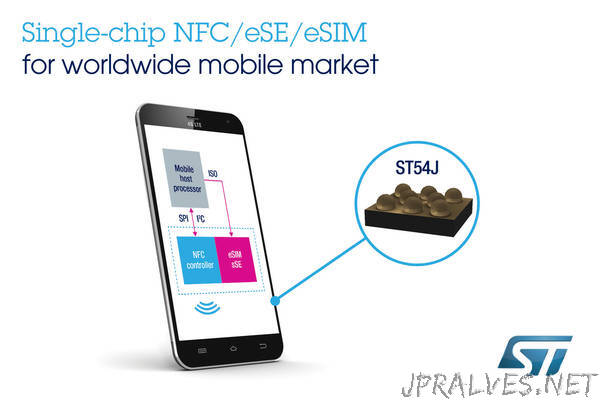
- You drain your initial low-cost profile first
- Then purchase a cheap, small top-up—often 30–60% less per GB than rebuilding the same bundle
- Total cost stays lower because each top-up matches your immediate usage, not a pre-set package
Future Trends in Temporary Mobile Connectivity
The traveler, tired of juggling physical SIMs, now finds their prepaid eSIM automatically activating a new regional data pack as their flight crosses into a third country, a seamless shift powered by integrated multi-network profiles. This future trend eliminates the need to manually download new eSIMs before every trip. How will prepaid eSIMs handle roaming across dozens of countries without manual intervention? They will increasingly rely on smart routing software that predicts which local network offers the strongest signal and lowest latency, then instantly swapping your active profile without any user input. The device itself becomes a silent negotiator, ensuring you stay connected from the airport checkpoint to the remote hiking trail, with the prepaid balance deducting in real-time only for the precise data consumed on each temporary network.
Integration with IoT Devices and Smart Gadgets
Prepaid eSIMs will directly enable instant IoT device activation without physical SIM swapping. For a smart luggage tag or pet tracker, you load a prepaid data plan onto its eSIM chip via a QR code. The sequence to connect a new gadget is clear: scan the installer code on the device packaging, select a prepaid plan from the provider’s app, and confirm pairing. This process removes the need for a companion smartphone’s cellular connection, as the gadget authenticates its own prepaid eSIM profile. Prepaid eSIMs also allow you to manage different data pools for each gadget—like separate allowances for a smart doorbell’s video feed and a fitness tracker’s syncs.
- Retrieve the eSIM activation QR code from your gadget’s manual or app.
- Use the provider’s portal to assign a prepaid data bundle to that specific eSIM identifier.
- The gadget reboots and establishes its own connectivity without linking to any mobile phone plan.
How Carriers Are Adapting to No-SIM Lifestyles
Carriers are adapting to no-SIM lifestyles by streamlining prepaid eSIM activation directly through their apps, eliminating physical cards. Many now offer temporary data bundles that auto-renew or expire, freeing users from long-term contracts. A key adaptation is instant over-the-air provisioning, allowing users to switch plans or carriers without visiting a store. Carriers also integrate multi-profile support, enabling travelers to keep a primary eSIM active while adding a prepaid local one for a trip.
Q: How are carriers simplifying the switch for no-SIM users?
A: By offering digital portals where users buy, activate, and manage prepaid eSIM plans entirely online, with QR code or manual entry activation that requires no physical interaction.
Predicted Drop in Prices as Adoption Grows
As more travelers and locals adopt prepaid eSIMs, increased competition between providers will drive prices down significantly. Initially, early adopters paid a premium for the convenience of instant activation. However, with growing provider adoption, you can expect dramatic price reductions for data-only plans and regional passes. This means frequent travelers will see costs for high-speed roaming dip closer to local SIM rates, making temporary connectivity a cheaper, more accessible option without any physical swap.
In short, prepaid eSIM prices are predicted to drop as adoption grows, making mobile connectivity more affordable for everyone.