


Fate vs Decision Argument On 20 Super Hot Machine in UK

Covering the world of gaming and culture, I find myself revisiting to an old philosophical debate https://20superhot.net/. The clash between fate and free will feels oddly applicable when you look at modern slot games. Take 20 Super Hot. It’s a classic fruit machine, basic on the surface. But for players across the UK, it creates a quiet conflict. The game itself runs on pure chance, a closed system of luck. Yet every action you do around it—choosing to play, determining your stake, knowing when to quit—is an act of will. That push and pull, the random reels against your deliberate choices, is a tiny digital drama. It plays out on phone screens and laptops millions of times, a daily dose of an ancient dilemma.
The Illusion of Control in a Arbitrary Universe
Essentially, 20 Super Hot is powered by a Random Number Generator. This RNG is a complex piece of code. Its single task is to make sure every single spin stands alone, unpredictable and unaffected by the last. This is the game’s version of pure fate. Hit the spin button, and the conclusion for that round is locked in. It’s instant and unalterable. No skill can manipulate those reels. There’s no sequence to learn, no hidden timing to decipher. This unpredictability is the basis of every licensed slot. On the outside, it seems to conclude the debate. The game’s realm is a sealed box of probability, where free will has no say over where the cherries, bells, and sevens fall.
But human psychology thrives on a paradox. Even with the knowledge of the RNG, players act in ways that suggest they think they have a role in the outcome. They might play only at a specific time, or tap the screen in a specific way. They develop little rituals. These habits are a bid for control. They’re an effort to impose personal will onto a process that is, objectively, random. In a fast-paced, common game like 20 Super Hot, these superstitious behaviors are everywhere. They’re a mental revolt. They’re the mind’s effort to carve out a area of control inside the game’s unyielding algorithmic walls.
Psychological Tension with the User’s Experience
Spinning 20 Super Hot often puts you in a state of cognitive dissonance. That’s the mental itch of having two contradictory beliefs at once. One part of you understands, rationally, that the slot is chance-based. Every result is separate. The other segment has a gut feeling that your actions count, that your timing or your “lucky streak” has value. This dissonance isn’t a flaw of logic. It’s a core part of what makes the experience engaging. It converts a dry algorithmic process into something with visceral weight. The rush exists in the distance. It’s the space between what you believe and what you feel, between acknowledging fate and expecting your will can somehow pull a bit of luck.
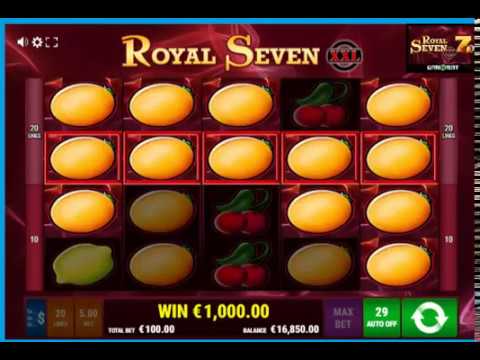
The machine’s speed and straightforwardness amplify the intensity on this sensation. With 20 set paylines and zero bonus rounds to manage, the cycle is quick: pick, bet, watch the outcome, continue. This rhythm can lull you into a mild trance. The deliberate act of choosing a wager and hitting spin starts to feel automatic. The unpredictable outcomes begin to feel like they have a rhythm, a structure. The player’s cognition is designed to seek cause and consequence. In the pure, featureless world of a standard slot, the mind will create its own reasons. Your inner story shifts. It moves from “I’m choosing to bet on a random event” to “I’m on a lucky run” or “This machine is cold today.” You assign purpose and identity to the unfeeling program. It’s a method to resolve the dissonance, to forge a more lively and purposeful engagement with the slot.
Classic Design: A Canvas for Projection
The appearance of 20 Super Hot, that vintage fruit machine style, takes a key position in this philosophical dance. Unlike plot-focused video slots, this game offers a bare, clean interface. The symbols are classic: fruits, bells, stars, and the red 7. This simplicity creates a blank canvas. Players project their own narratives of luck and mastery onto it. With no distracting features to distract, the mind focuses on the core tension: the spin (fate) versus the bet (choice). The classic design also suggests tradition. It connects back to the mechanical one-armed bandits of the past, where pulling the lever felt like a immediate, physical wrestling match with chance.
This projection shapes how people perceive results. A near-miss, where two high-value symbols line up with a third just off the payline, often seems like “almost there.” It’s interpreted as a brush with destiny, prompting another spin. A surprise win on a tiny bet might seem like a destined gift. The game’s design doesn’t create these stories. The human mind does. The neutral, classic frame of 20 Super Hot offers the optimal stage for an inner drama. It’s a struggle between feeling lucky (a state of mind) and truly being lucky (a random event). The design allows it easy to picture you’re sharing a conversation with fate, even when the underlying mechanism is a monologue of randomness.
Strategic Agency
What the spin produces could be fixed, but the world around that spin belongs to you. Before the first reel moves, you make key decisions. The biggest one is budget management. You set your total bankroll for the session. Then you choose your bet unit and wager size on 20 Super Hot. Defining these fiscal constraints is a strong demonstration of discipline. It’s an intentional act to stake a particular figure, and not a penny more. This own restriction sits outside the algorithm’s impact. It’s a strategic constraint on maximum downside, and it’s the bedrock of responsible play.
You also exercise influence by studying the game’s mechanics. Knowing that 20 Super Hot is a classic slot with no bonus rounds sets your expectations. Deciding to play all 20 fixed paylines involves a tactical thought about exposure compared to spread. Then there’s the ultimate, most important selection: the resolve to stop. Walking away after a win takes discipline. Walking away after hitting a pre-set loss limit takes even more. That decision to stop supersedes the game’s tempting draw. This meta-game of self-control happens fully in the player’s control. The slot doesn’t care if you depart or stay. That part is solely your domain.
The Ethical Side of the Design
Looking at this destiny vs. choice dynamic brings us to questions about ethics and design. A traditional slot like 20 Super Hot, with its straightforward rules and no tricky features, could be viewed as relatively straightforward. It offers its chance upfront. But the ethical question isn’t just about the game’s destiny. It’s about how the game encourages or undermines a player’s free will. The fast pace and chance of rapid spins can diminish careful decision-making. It drives you toward impulsive, reflexive play. In that mindset, the false sense of control is strongest, and logical decision-making is least effective.
In my perspective, the moral equilibrium depends on the clearness of the contract. 20 Super Hot, in its pure classic form, presents https://en.wikipedia.org/wiki/Charity_gambling a fairly straightforward proposition: a game of random, unrelated outcomes with set odds. The moral duty then extends. It falls on the platform hosting the game and on the player. Does the platform make responsible gambling tools easy to find and employ? Does the player employ pre-commitment strategies? The game itself is a unbiased engine of chance. The ethics of using it is influenced by the structures around it and by the player’s own consciousness. It boils down to how you manage the timeless dance between your own decisions and the indifferent turn of the digital reels.
The Legal Structure: Establishing Control on Randomness
The UK gambling scene introduces another element to this debate. It actively molds the arena where fate and free will meet. The UK Gambling Commission mandates all licensed games, including 20 Super Hot on approved sites, to use certified RNGs and publish their Return to Player (RTP) percentages. This rule is a fascinating intervention. It publicly codifies the game’s long-term fate—the statistical probability over millions of spins. At the same time, it provides players transparent information. Knowing the RTP is a resource for informed choice. It’s a data point for your will to consider before you engage with the game’s randomness.
Regulations also require operators to provide tools like deposit limits, time-outs, and reality checks. These are genuine instruments of free will. The operator provides them, but the player has to switch them on. They are mechanisms designed to help your will stay in charge. They guard against impulsive behavior driven by the game’s unpredictable rewards. So the UK’s regulatory environment does not choose a side in the philosophy debate. Instead, it attempts to build a safer arena for that debate to happen. It accepts the undeniable fate of the RNG, while legally requiring support for a player’s capacity for choice and control. The goal is to make sure the latter can always temper the former.
Modern Context: An Ancient Debate Digitalized
What makes 20 Super Hot and slots like it so captivating is the way they digitize an ancient human worry. We have always tried to determine how much influence we truly have in an unpredictable world. Oracles, dice throws, card games—these were old technologies for engaging with fate. The online slot is just the most recent model. Its RNG is the digital oracle. Its spin is the toss of the dice. The debate isn’t conceptual anymore. It’s participatory, with genuine, if minor, stakes. Playing a session of 20 Super Hot becomes a tiny philosophical experiment. Every click is a bargain. You’re continually balancing the inclination to steer your own destiny against the embrace of forces you can’t touch.
This contemporary setting strips the debate of academic theory and places it into actual experience. You’re not contemplating fate in a library. You’re interacting with it directly on your screen. The consequences are financial and emotional, not just ideas in your head. That makes the whole dynamic visceral. The joy of a win feels like a validation of your fortunate choice. The sting of a loss feels like the whims of a fickle universe. So 20 Super Hot, for all its uncomplicated nature, acts as a gateway. It unlocks a deep and everlasting human dilemma. It transforms a profound philosophical dilemma into a common, reachable, and endlessly repeated digital custom.
Frequently Asked Questions
Is the result of each spin in 20 Super Hot really random?
Yes. Licensed versions of the game use a certified Random Number Generator. Such an RNG assures that every spin’s final result is unconnected, instant, and totally random. The software has none memory and has no pattern. Each spin is a one-of-a-kind event governed by luck. This is the central “fate” aspect of the game.
How can I use my personal preference or strategy while playing this slot?
Your agency resides in the choices you perform around the spin. This means setting your total limit, selecting your coin worth and bet level, and choosing when to start and finish your session. Controlling your bankroll and using responsible gambling tools are your key strategic moves. These actions embody your free will in the scope of the slot.
Can the classic fruit machine appearance impact how people view command?
It frequently does. The straightforward, familiar design operates like a blank screen. Players usually to project their individual superstitions and narratives onto it. This can promote an illusion of control. You might begin believing in “hot” or “cold” streaks, for illustration, even if the fundamental internal processes are random for each single outcome.
How does UK rule affect the fate vs. free will dimension of the slot?
British gambling laws requires transparency, such as displaying the RTP. It also necessitates tools including deposit caps and reality checks to be available. This structure clearly outlines the game’s long-term statistical “fate.” Simultaneously, it provides players with information and tools to use their free will more effectively. The objective is to foster play that is educated and controlled.
Can I influence the RNG or find a pattern in the wins?
No, you cannot influence the RNG, and patterns do not exist to discover. The RNG runs continuously generating thousands of numbers every second. The result at the precise millisecond you press spin is final. Any patterns you believe you see are cognitive illusions. It’s a typical human tendency to look for order in randomness.
What is the most important act of free will when spinning slots like this?
The most crucial act is pre-set decisions and stopping. Establish a loss limit and a time limit before you begin. Then, show the discipline to stop when you hit them. This determination lies entirely outside the game’s random mechanics. It is the ultimate exercise of your control.
Why does the discussion about control even matter for a simple slot game?
It counts because it goes to the heart of gambling psychology. Realizing that the spin is fixed, but your handling of the session is not, fosters a more balanced approach. It shifts the emphasis away from attempting to beat randomness. In its place, it underscores the significance of making conscious choices about your engagement. That attitude is essential for sustainable play.