


Unleash your inner gambler: The psychology of casino adrenaline
The Thrill of the Unknown: Anticipation in Casino Games
The allure of a casino environment is deeply rooted in the inherent unpredictability of its games. Every spin of the roulette wheel, every shuffle of the cards, and every roll of the dice presents a moment of pure anticipation. This psychological state, characterized by a mix of hope and anxiety, is a powerful driver of engagement. Players are not just playing for the potential win, but for the emotional rollercoaster that the waiting period provides, and for many, checking reviews on sites like https://au.trustpilot.com/review/neosurfonlinecasinoau.org is part of their pre-game ritual. This sense of the unknown taps into fundamental human desires for excitement and challenge.
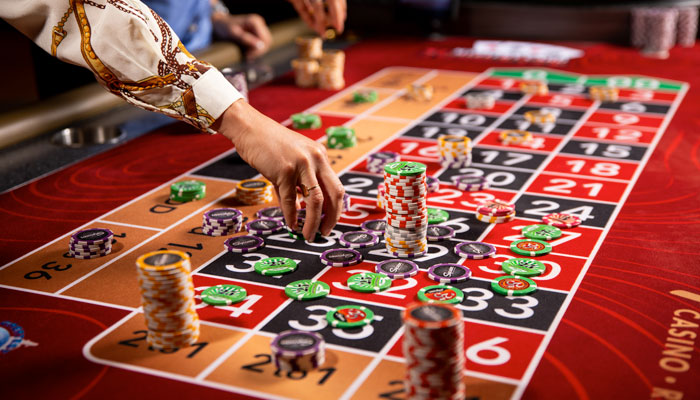
This anticipation is amplified by the sensory inputs within a casino. The flashing lights, the sounds of slot machines, and the murmur of excited patrons all contribute to an atmosphere that primes the brain for heightened emotional responses. This environment is carefully curated to maximize the feeling of thrill, making each potential outcome feel more significant. The “what if” factor is constantly at play, fueling the desire to see what the next moment will bring, making the casino experience a potent cocktail of psychological triggers.
Dopamine and the Reward System: Why We Chase Wins
At the heart of the casino adrenaline rush is the brain’s reward system, particularly the release of dopamine. When a player experiences a win, or even anticipates a potential win, the brain releases dopamine, a neurotransmitter associated with pleasure and motivation. This chemical reward reinforces the behavior, creating a positive feedback loop that encourages further gambling. The intermittent nature of these rewards—wins are not constant but occur unpredictably—is particularly effective at keeping individuals engaged and coming back for more.
This dopamine surge can create a powerful psychological effect, often described as a “high.” It’s this feeling that many gamblers chase, seeking to replicate the intense pleasure associated with a significant win. The brain becomes conditioned to associate the casino environment and the act of gambling with this rewarding sensation. Even a small win can trigger this response, reinforcing the belief that a larger jackpot is always within reach, thus perpetuating the cycle of play.
Risk Perception and Cognitive Biases in Gambling
Our perception of risk is often distorted within the high-stakes environment of a casino. Cognitive biases, such as the “illusion of control” or the “gambler’s fallacy,” play a significant role. The illusion of control leads players to believe they have more influence over the outcome of games of chance than they actually do, perhaps through superstitions or specific betting strategies. This false sense of agency can make the act of gambling feel more like a skill-based activity rather than pure luck.
The gambler’s fallacy, on the other hand, is the mistaken belief that if something happens more frequently than normal during some period, it will happen less frequently in the future, or that if something happens less frequently than normal during some period, it will happen more frequently in the future. For example, believing that after a series of red numbers on a roulette wheel, a black number is “due.” These biases allow individuals to rationalize their gambling behavior and persist in the face of losses, as they are not fully acknowledging the true randomness of the games.
The Social and Environmental Triggers of Casino Engagement
Beyond the internal psychological mechanisms, the social and environmental aspects of a casino are crucial in fostering engagement. The vibrant atmosphere, the shared excitement among patrons, and the presence of attractive dealers can all contribute to an immersive experience. Casinos are designed to be stimulating and distracting, minimizing external pressures and encouraging players to focus solely on the games. This creates a unique social bubble where the norms of everyday life are suspended.
The social aspect can also be a significant draw. For some, a casino visit is a social outing, a place to connect with friends and enjoy a shared activity. The feeling of camaraderie, even among strangers united by the thrill of the game, can enhance the overall experience. Furthermore, the availability of amenities like bars, restaurants, and entertainment shows within the casino complex contributes to a longer, more sustained engagement, making it a destination rather than just a place to play games.

Experiencing the Casino Adrenaline at Online Platforms
Modern online casino platforms have successfully recreated many of the psychological triggers associated with physical casinos, albeit in a digital format. These platforms leverage sophisticated design and user interface elements to simulate the excitement and anticipation of traditional gambling. Features like live dealer games, interactive graphics, and the constant availability of various games are engineered to capture and hold player attention, delivering that sought-after adrenaline rush directly to their devices.
Platforms that understand the psychology of casino adrenaline often focus on seamless gameplay and engaging bonus structures. They aim to replicate the dopamine hits through frequent small wins and the constant possibility of larger payouts, often enhanced by welcome bonuses and loyalty programs. The convenience of online play means players can access this stimulating environment anytime, anywhere, making it a readily available source of excitement and the chance to test their luck and potentially experience that exhilarating surge of adrenaline.